
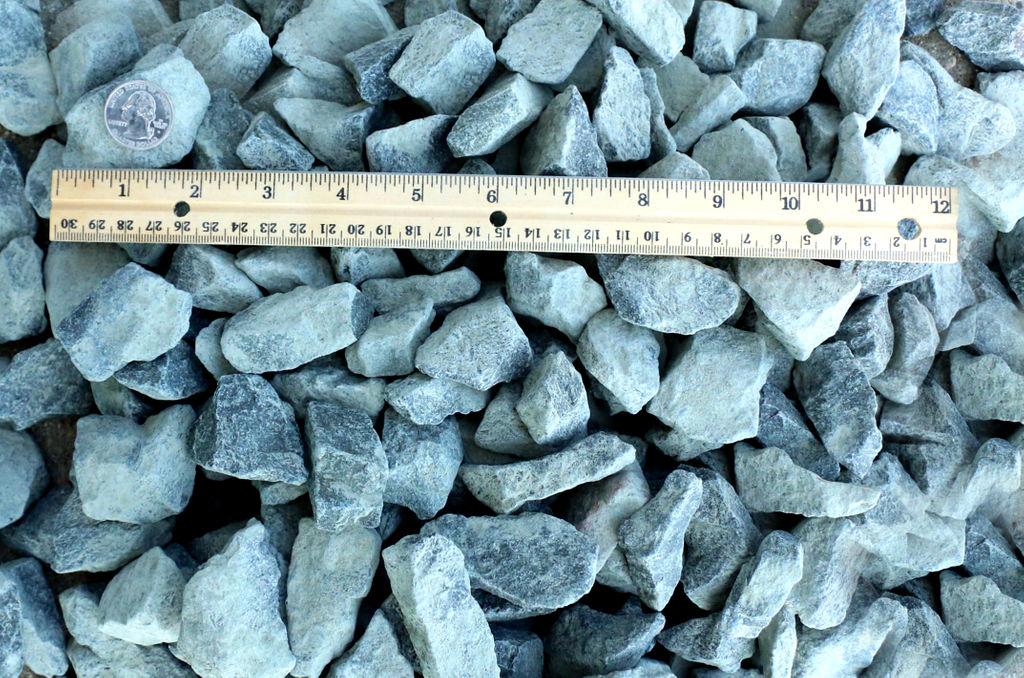
When most people imagine railways, they picture shining steel rails stretching across the landscape, carrying freight, passengers, & commerce. But beneath those rails lies a rock foundation that is more important to the performance, safety, & lifespan of the entire track system. Railroad Ballast is not simply crushed stone. It is a carefully selected, size-graded, and performance-tested construction aggregate designed to support heavy loads, enhance drainage, resist deformation, & maintain precise track alignment over decades. Without quality railroad ballast; tracks would buckle, shift, flood, and eventually fail – regardless of how strong the rails are.
The Real Backbone of Railroads
Rails may guide the train, but trap rock or granite ballast holds it together. A fully loaded freight train can weigh more than 99,000 tons. That weight is transferred to the sleepers (ties), then into the ballast, and finally into the subgrade below. Without high-quality railroad ballast, the subgrade would quickly compress, deform, or absorb moisture, leading to settlement, misalignment, and potential derailment.
Trap Rock / Railroad Ballast performs five critical functions:
1. Load distribution & structural support
2. Drainage & moisture protection
3. Track alignment & stabilization
4. Shock & vibration absorption
5. Ease of track maintenance and restoration
Each of these functions prove that ballast is supportive, and structurally indispensable.
1) Load Distribution & Structural Strength
Rails alone cannot support the weight of passing trains. They transfer weight downward into wooden, composite, or concrete ties. Those ties rely on railroad ballast to spread the vertical forces across a larger area and prevent foundation failure. Unlike soil or sand, trap rock ballast has angular interlocking edges that resist deformation. The stones grind and lock into each other, forming a resilient and load-bearing structural layer. This allows railroad ballast to maintain strength while still offering flexibility for tamping, cleaning, and maintenance. A properly engineered ballast layer should resist deformation, maintain track geometry, and preserve its load-bearing capacity under millions of load cycles.
2) Drainage & Moisture Resistance
Water is destructive to railroads. Poor drainage results in erosion, softening of soil, mud pumping, frost heave, and track instability. Railroad Ballast is specifically chosen for its drainage capabilities. Well-graded crushed aggregate leaves void spaces between particles that allow water to percolate rapidly downward and away from the track. This protects against:
– Excessive moisture buildup
– Erosion and flooding
– Freezing and thawing damage
– Soil weakening and instability
Dirty railroad ballast contaminated with clay, mud, or fines, loses its drainage capability, trapping water and causing structural breakdown.
3) Track Alignment & Precision Stability
It’s understandable that Railroads require exact alignment. A difference of even a fraction of an inch over long distances can create vibration, wear, and safety hazards. Over time, the combined effects of braking, acceleration, temperature expansion, and lateral train forces can shift tracks. Ballast resists these forces mechanically. Its angular particles interlock to prevent lateral or longitudinal movement. With proper compaction, ballast forms a highly stable matrix that holds sleepers in precise position through traffic, weather, and time.
Four types of movement ballast prevents:
– Lateral movement (side-to-side shifting)
– Longitudinal movement (track creep)
– Vertical movement (settlement)
– Rotational instability (cant failure)
Railroad ballast is essential to long-term safety.
4) Shock and Vibration Absorption
A moving train applies dynamic loads—forces far greater than static weight alone. Wheels striking joints, rail expansion, braking forces, and vibration all create impactful stress on the track.
Without ballast, these dynamic forces would directly damage the rails, sleepers, and underlying soil. Ballast absorbs shock through controlled movement and energy dissipation. This reduces stress on critical structural components and improves ride comfort, longevity, and safety. High-grade ballast can reduce impact force by over 20-40% compared to rigid foundations such as concrete slabs or untreated soil.
5) Ease of Maintenance and Reconditioning
Unlike asphalt or concrete foundations, railway ballast is naturally serviceable. It can be tamped, replaced, washed, cleaned, or supplemented as needed. Even after years of use, it can often be recycled by screening out fines and debris, restoring performance rather than requiring complete replacement.
Maintenance-friendly properties include:
• Tamping and re-leveling capabilities
• Cleanability through washes and screening
• Partial replacement without full track removal
• Adaptability to new rail specifications and sleeper types
In other words, ballast keeps railroad infrastructure cost-effective, long-lasting, and adaptable.
What is Quality Railroad Ballast?
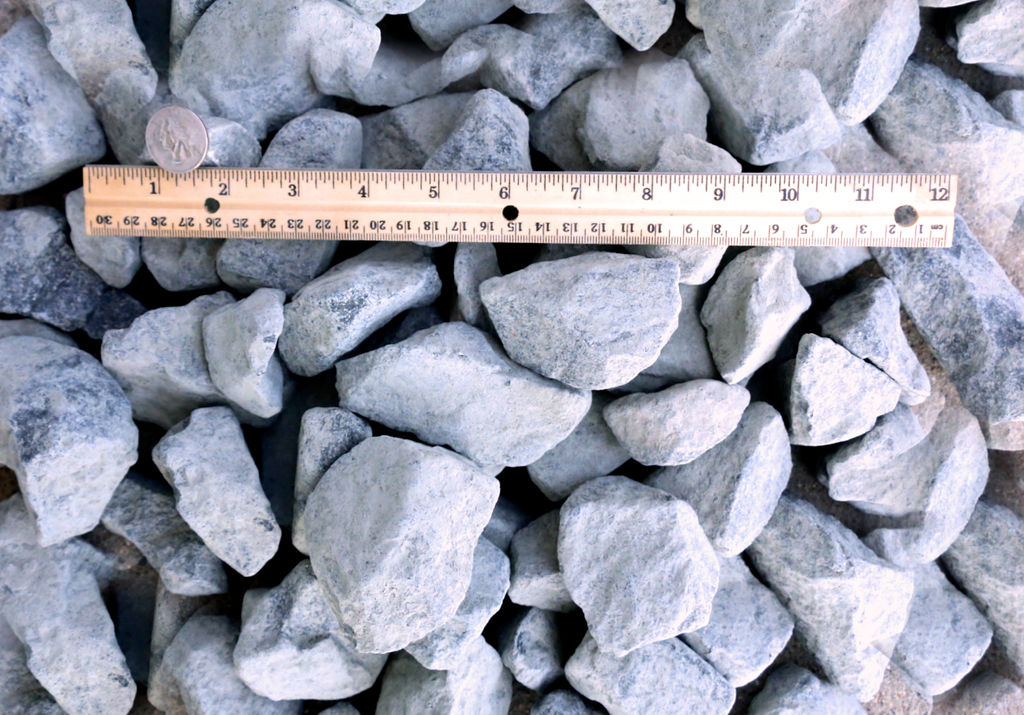
Quality Railroad Ballast must be carefully selected. Not all stones are suitable. The best meets strict industry standards.
Key qualities include:
Shape
Angular, crushed stone is preferred. Rounded gravel is unacceptable because it will not interlock or resist movement.
| Stone Shape | Suitability for Ballast |
| Angular crushed stone | Excellent |
| Sub-angular stone | Acceptable |
| Rounded river gravel | Not Acceptable |
Hardness
Ballast must resist constant crushing, grinding, and abrasion.
Common ballast materials include:
| Material | Performance | Best Use |
| Granite | Excellent | High-speed and heavy freight rail |
| Limestone | Very Good | Regional, commuter, industrial tracks |
| Trap Rock (Basalt, Dolomite) | Excellent | High-stress environments |
| Recycled Concrete | Moderate | Temporary or low-load tracks |
Granite and basalt are considered premium ballast choices due to their hardness, low absorption, and long-term resilience.
Size
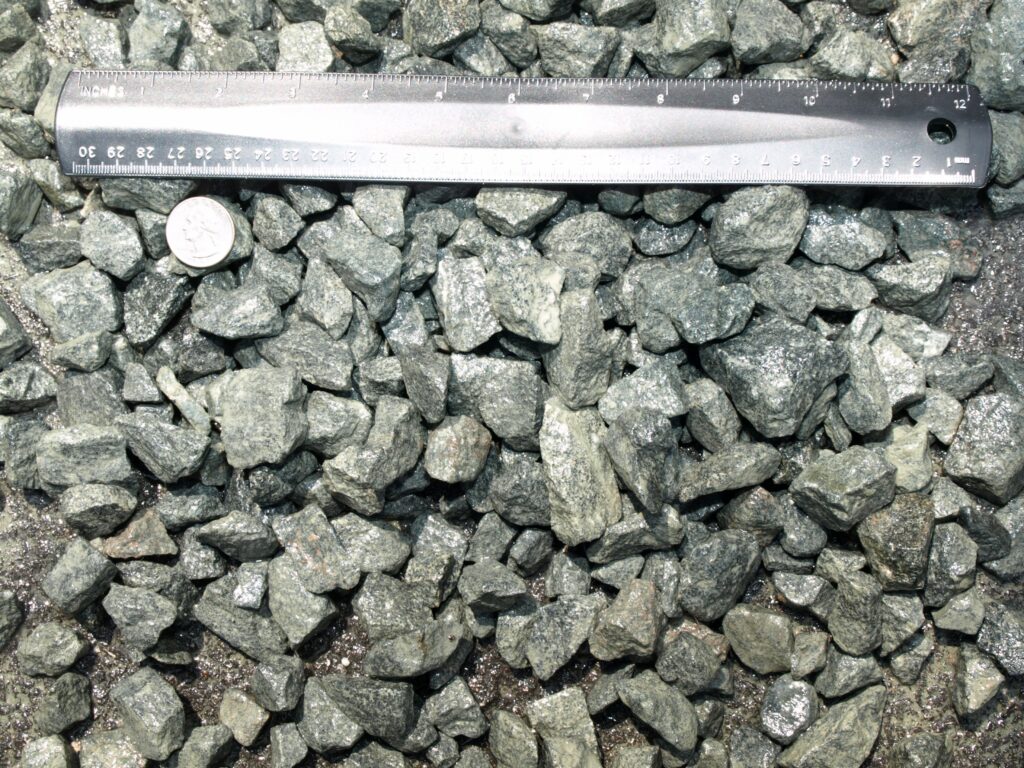
Ballast stone size typically ranges from 1 to 2.5 inches, depending on application.
Cleanliness
Fines clog drainage channels and lead to mud pumping. Ballast must be free of clay, silt, dust, and organic debris. Washing, screening, and quality control are essential.
Growing Demand for Railroad Ballast
The demand for railroad ballast is increasing due to multiple trends:
- Expansion of freight corridors
- Growth in high-speed passenger rail projects
- Maintenance and modernization of aging infrastructure
- Increased intermodal rail transport due to e-commerce
- Renewed government investment in rail expansion
Ballast will remain one of the most essential foundation aggregates in infrastructure for decades.
Conclusion
Railroads do not truly run on steel. They run on stone. Ballast is the foundation that makes railroads possible. It distributes load, preserves alignment, drains moisture, absorbs shock, and supports decades of safe operation. Without it, even the strongest rails would fail within weeks.
Ballast may be buried beneath the surface, but it is the most important part of the track.
From roads, golf courses, railroads to sports fields, Shoreline Aggregate Solutions supplies limestone, sand, and gravel throughout Illinois, Indiana, and Michigan. With clean trucks, courteous drivers, and 35+ years of experience, we ensure timely, efficient deliveries. Reach out today—we’re ready to support your project.
Shoreline Aggregate Solutions
219-878-9991 Office
orders@shorelineaggregate.com