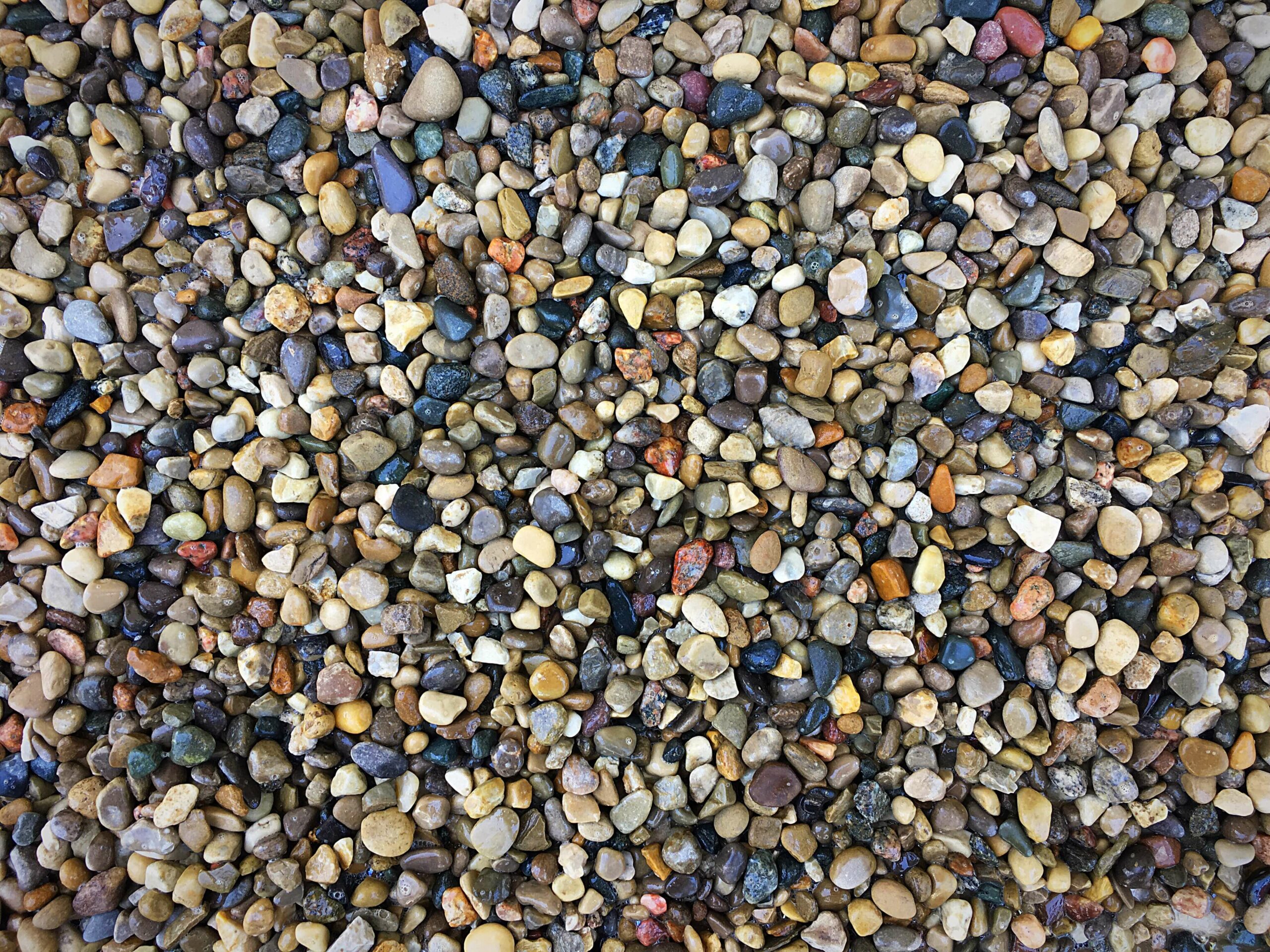
The small, smooth, rounded stone often praised for its versatility, affordability, and charming, organic texture is a cornerstone of modern and traditional landscaping alike. Named for its characteristic size, typically ranging from 1/8 inch to 3/8 inch in diameter, this construction aggregate is available in a wide range of pea gravel colors, making it easy to match everything from classic garden paths and rustic patios to contemporary drainage systems and decorative borders.
However, choosing the right pea gravel is far more nuanced than simply picking a bag off the shelf. Its color, influenced by its original mineral composition and geological source, holds the key to defining the mood, style, and visual harmony of your entire outdoor space. From cool, sleek grays to warm, earthy reds and golds, the Pea Gravel Color Chart is a spectrum of design potential for the sophisticated hardscape professional.
This aggregate guide delves deep into the world of pea gravel colors, exploring the most popular hues, their mineral origins, their optimal applications, and critical factors – like regional availability and lighting – that will ensure you select the perfect palette for your landscape vision.
Geology of Color: What Determines Pea Gravel’s Hue?
Pea gravel is, at its heart, a collection of naturally weathered and eroded stones, typically sourced from riverbeds and quarries. The smooth, rounded shape is a result of tumbling in water over millennia. The fascinating variety of colors is a direct result of the mineral composition of the source rock and the processes of oxidation and erosion.
Key Mineral Color Contributors
- Iron Oxide (Ferric Iron): This is the most common color agent, especially in sedimentary rocks, lending warm tones like reds, oranges, rust, and various shades of brown. Rocks exposed to oxygen-rich environments often show this reddish-brown coloration.
- Quartz: Often contributes to white, translucent, or very light gray tones. Due to its crystalline structure, quartz can give the gravel a sparkling or translucent quality, especially in ample sunlight.
- Feldspar and Mica: These minerals are responsible for the flecks and speckles of pink, beige, and shimmering silver that often characterize multi-colored mixes.
- Basalt, Slate, or Volcanic Rock: These typically create the deep, rich grays, charcoals, and blacks seen in modern palettes.
- Limestone and Dolomite: These materials tend to result in pure white or off-white gravel, prized for its clean, modern aesthetic.
Because the color is tied to the geographical location where the stone is mined or quarried, it is important to remember that the most readily available and affordable colors will often be regional. A “standard” pea gravel mix in one part of the country will reflect the local geology, providing a default color palette distinct from other regions.
The Comprehensive Pea Gravel Color Chart
The following chart breaks down the most common and sought-after pea gravel colors, outlining their unique aesthetic properties and ideal applications in landscape design.
| Color | Origin/Mineral (Common) | Aesthetic Style | Applications | Designer Notes |
|---|---|---|---|---|
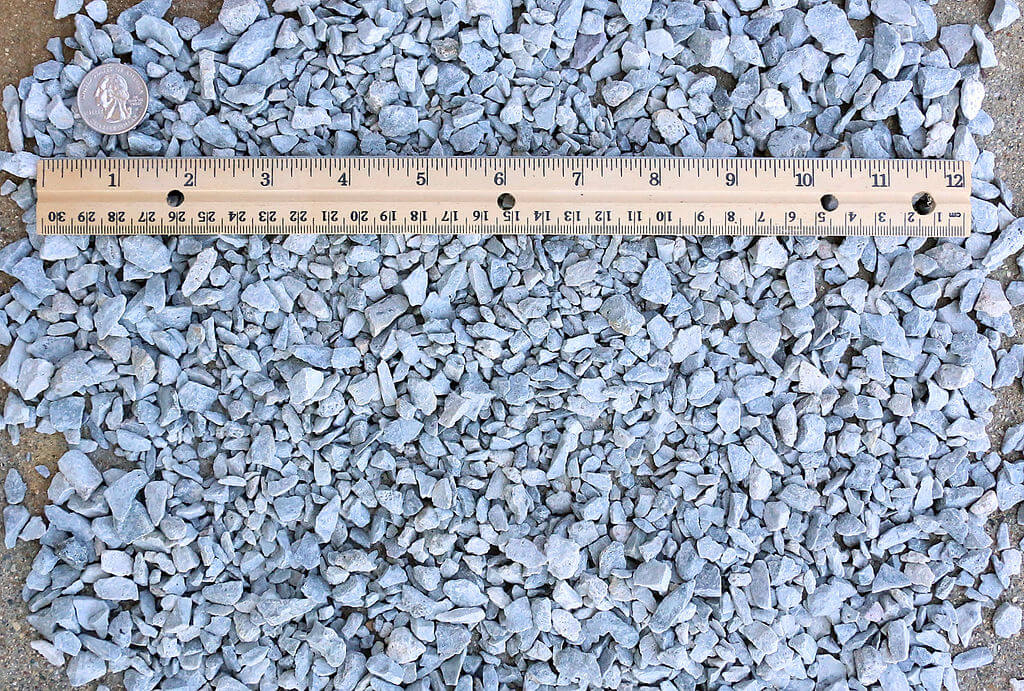
| Cool Grays | Basalt, Slate, Quartzite | Modern, Contemporary, Sleek, Neutral | Driveways, Functional Landscaping, Zen Gardens, High-Contrast Borders | Ranges from light silver to deep charcoal. Pairs well with cool-toned house exteriors (gray, white, blue). |
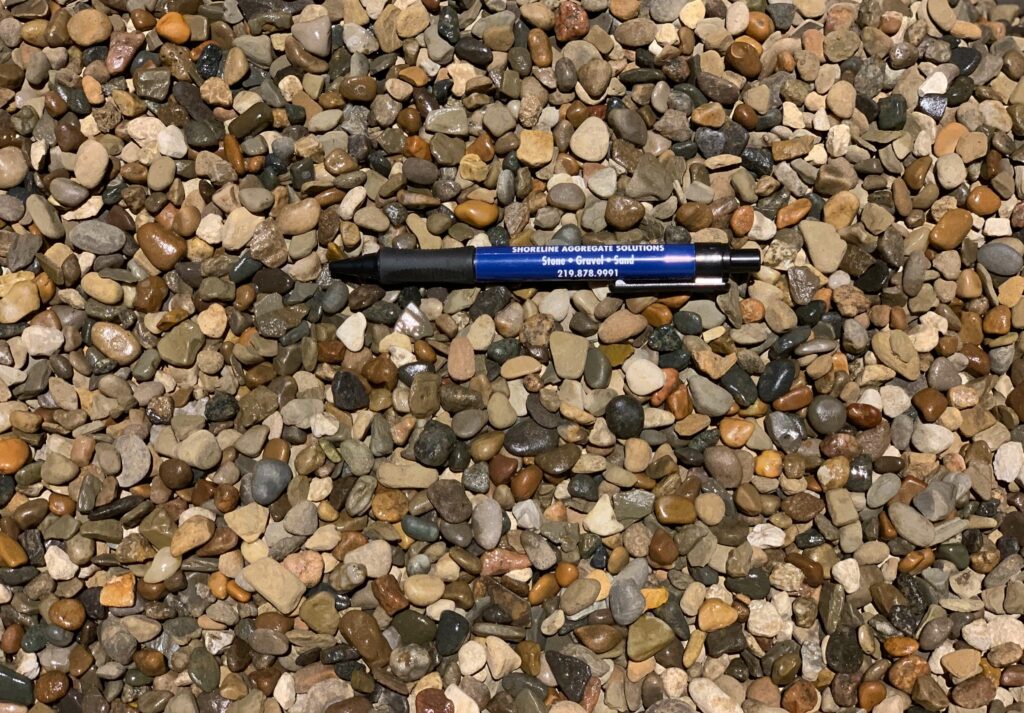
| Warm Browns / Tan | Iron Oxide, Mixed River Rock | Rustic, Natural, Traditional, Earthy | Walkways, Garden Beds, Cottage Gardens, Dog Runs | A versatile choice. Blends seamlessly with wood, brick, and natural stone features. |
| Creamy Whites | Limestone, Quartz, Marble | Formal, Minimalist, Coastal, Elegant | Patios, Decorative Accents, Water Features, Xeriscaping | Highly reflective, brightens shaded areas. Often used to create a striking contrast. |
| Deep Blacks / Charcoal | Basalt, Volcanic Rock | Dramatic, Sophisticated, High-Contrast, Ultra-Modern | Edging, Stepping Stone Fill, Japanese Gardens, Minimalist Patios | Excellent for making plants and colorful features pop. Absorbs heat; low-maintenance and hides dirt well. |
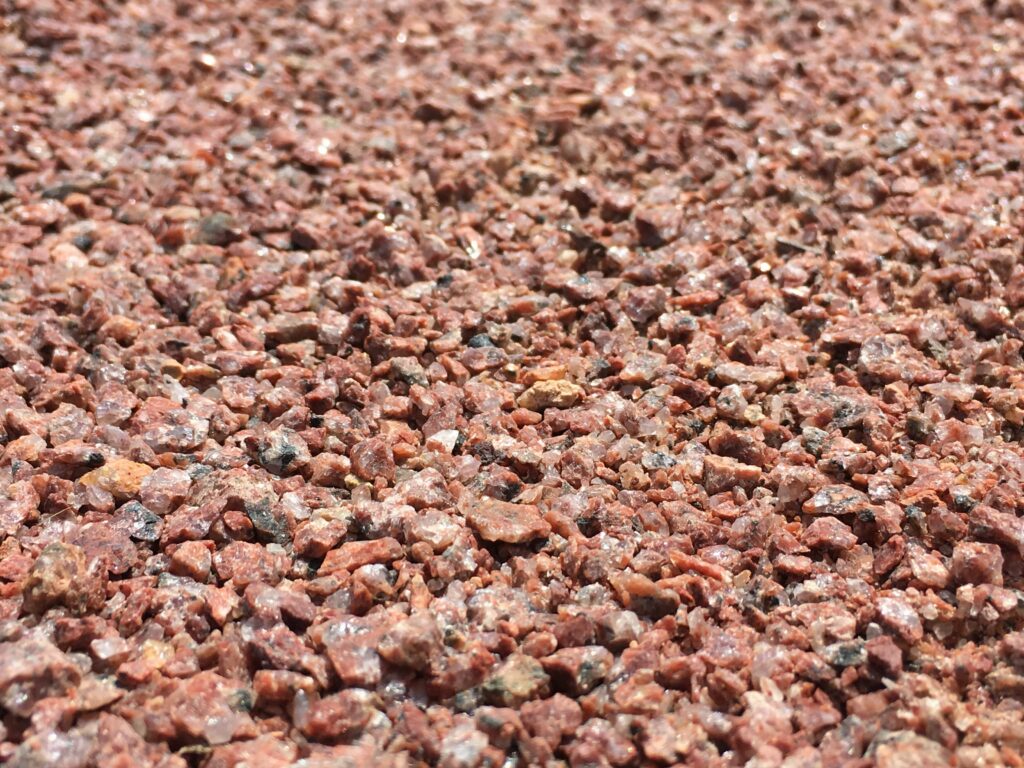
| Rusty Reds / Mauve | High Iron Oxide Content | Southwest, Mediterranean, Warm, Bold | Fire Pit Areas, Accents, Desert-inspired Patios | A strong color that is effective in creating a cozy and rustic feel. Ranging from muted maroon to fiery brick-red. |
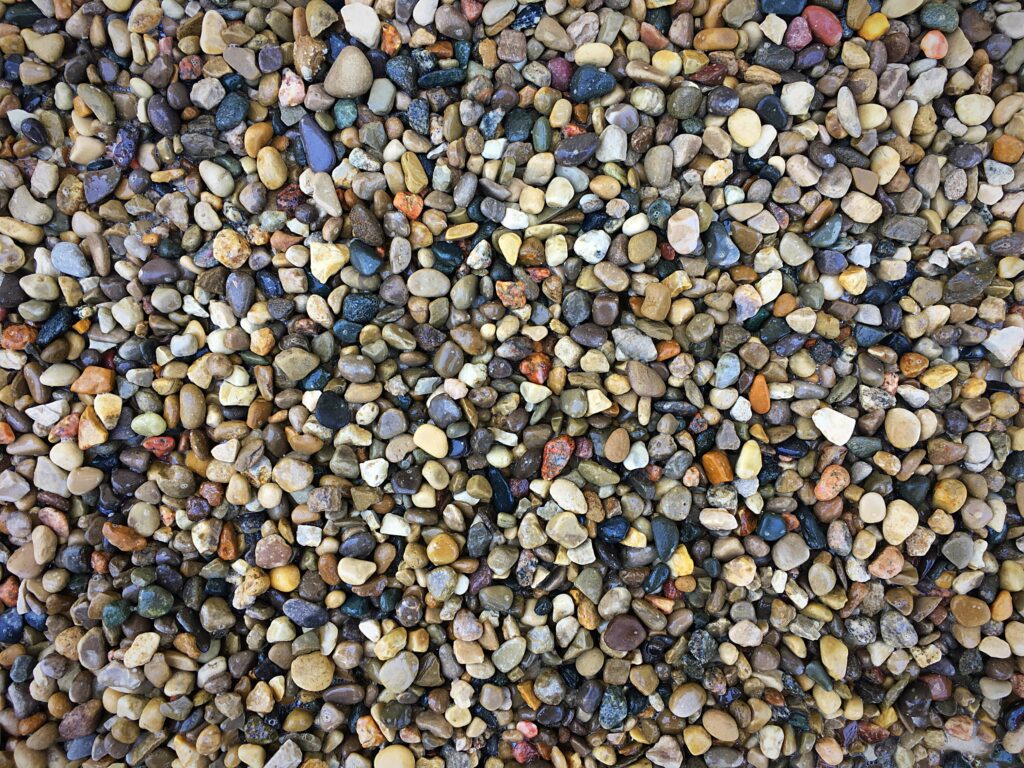
| Multi-Colored Mixed | Mixes River Rock, Regional Blends | Organic, Eclectic, Casual, Blending | Pathways, Large Ground Cover Areas, General Landscaping | Contains a variety of all common colors (tan, gray, white, red flecks). Highly versatile and forgiving; color mix varies. |
| Gold / Yellow | Quartz, Weathered Granite | Sunny, Bright, Tuscan, Inviting | Courtyards, Fountain Surrounds, Areas needing a pop of warmth. | Ranges from pale cream to deep golden yellow. Warm colors can make an object appear larger and closer. |
Hardscape Design: Selecting the Perfect Color
A successful hardscape design relies on selecting colors that harmonize with the existing fixed elements of the property while achieving the desired mood. The principles of landscape design – unity, balance, and color – are paramount in this decision.
1. Coordination with Architectural and Hardscape Elements
Your home’s exterior and existing hardscape act as the fundamental backdrop. Color choices should either blend or provide a deliberate contrast, creating unity.
- Cool-Toned Structures (Gray, Blue, White Siding): Choose Cool Gray or Deep Black pea gravel to maintain a sleek, contemporary feel. The gravel serves to frame the structure elegantly.
- Warm-Toned Structures (Brick, Tan Stucco, Wood): Warm Brown, Tan, or Rusty Red complements the earth tones. This creates an inviting & cozy feel, blending the hardscape elements together seamlessly.
- High Contrast and Emphasis: Use White or Deep Black gravel against a contrasting background. For example, black gravel against bright green plantings creates a dramatic visual depth and emphasis, causing the plantings to jump out.
2. The Psychology of Color in Outdoor Spaces
Color is perhaps the most powerful of the design elements, used to create a specific mood.
- Tranquility and Calm: Cool colors like gray and blue are calming and make objects appear farther away. This is ideal for retreat areas or to visually expand a smaller space.
- Energy and Action: Warm colors like red, orange, and gold are stimulating and express action. These are best for high-activity spaces like fire pit areas or outdoor kitchens.
- Light and Space: White and light tints reflect light, helping to brighten shaded areas and visually advance an object or area toward the observer.
3. Application-Specific Color and Size Considerations
While color is aesthetic, the size of the aggregate is primarily functional, impacting stability, comfort, and drainage. The most common size of pea gravel is 3/8 inch, often used for walkways and patios.
| Application | Color Recommended | Rationale |
|---|---|---|
| Pathways / Patios | Warm Brown, Multi-Colored Mix, Gray | This size is comfortable underfoot and less likely to track. Darker colors help hide dirt and foot traffic. |
| Zen or Japanese Gardens | Pure White, Light Gray | The cleaner, smaller stones enhance the raked texture and minimalist design. White is often used to mimic water. |
| Under Downspouts/Drainage | Darker Gray, Brown | Dark colors are less susceptible to staining from water, rust, and organic material run-off. |
| Playgrounds / Dog Runs | Warm Brown, Gray | Offers good stability and comfort. The cost-effective nature of common colors is important for large, utilitarian areas. |
| Decorative Mulch/Edging | Any desired contrast (e.g., Black) | The smaller size provides a flatter, more aesthetic appearance when used in flower beds or around trees. |
Lighting and Maintenance: Practical Considerations
The final look of the chosen color is never static; it is a dynamic element that changes with light and moisture.
The Influence of Light and Moisture
- Sunlight: Bright, direct sunlight will make light colors (White, Gold) appear brighter and more reflective, while dark colors (Black, Deep Gray) will absorb heat and appear richer.
- Shade: In shaded areas, colors will appear darker and more muted. Using a White or Pale Gray gravel in shade can help reflect ambient light to visually brighten the space.
- Moisture: Wet pea gravel will have a significantly darker, more saturated color than dry pea gravel. For instance, a light tan gravel may turn a rich reddish-brown when wet. Always show customers samples of both wet and dry material to ensure satisfaction with the true color range.
Maintenance and Longevity
The color choice also has an impact on perceived maintenance:
- Darker Colors (Brown, Black, Dark Gray): These colors are more forgiving, easily hiding common debris like dirt, dust, and dried leaves. They require less frequent washing to maintain a clean appearance.
- Lighter Colors (White, Cream): While elegant, these colors are highly susceptible to showing dirt, mud, and algae growth. They require more frequent rinsing or chemical treatment to preserve their bright, clean aesthetic.
By providing customers with the comprehensive Pea Gravel Color Chart and guiding them through the geological, aesthetic, and economic factors, suppliers can ensure optimal material selection for any hardscape project.
Shoreline Aggregate Solutions
219-878-9991 Office
orders@shorelineaggregate.com
www.shorelineaggregate.com
FROM ROADS, GOLF COURSES, RAILROADS TO SPORTS FIELDS, SHORELINE AGGREGATE SOLUTIONS SUPPLIES LIMESTONE, SAND, AND GRAVEL THROUGHOUT ILLINOIS, INDIANA, AND MICHIGAN. WITH CLEAN TRUCKS, COURTEOUS DRIVERS, AND 35+ YEARS OF EXPERIENCE, WE ENSURE TIMELY, EFFICIENT DELIVERIES. REACH OUT TODAY – WE’RE READY TO SUPPORT YOUR PROJECT.